About the Project
The Climate Leadership Story Hub is a multimedia journalism and community-engaged research platform documenting Indigenous-led clean energy transitions.
Kaaria Quash
Project overview
A note from Aphrodite Salas
The Climate Leadership Story Hub brings together solutions‑oriented, multimedia journalism projects produced in partnership with Indigenous communities moving away from diesel dependency and toward renewable energy futures they own and control.
The hub is a living platform that is part journalism, part research, part practice. It is rooted in relationships we have built over many years with the people whose stories appear here.
Explore projects including ᑰᒃ ᑰᑦᑐᖅ The Flowing River and Arctic Shift to Clean Energy, developed in partnership with Inuit climate leaders in Inukjuak. These stories illuminate one community’s path away from diesel and toward an Indigenous‑led clean energy future.
As relationships deepen and new partnerships form, the hub will grow to document more stories of Indigenous clean energy leadership. The methodology travels with us.

Sarah Lisa Kasudluak
Why this work exists

Virginie Ann
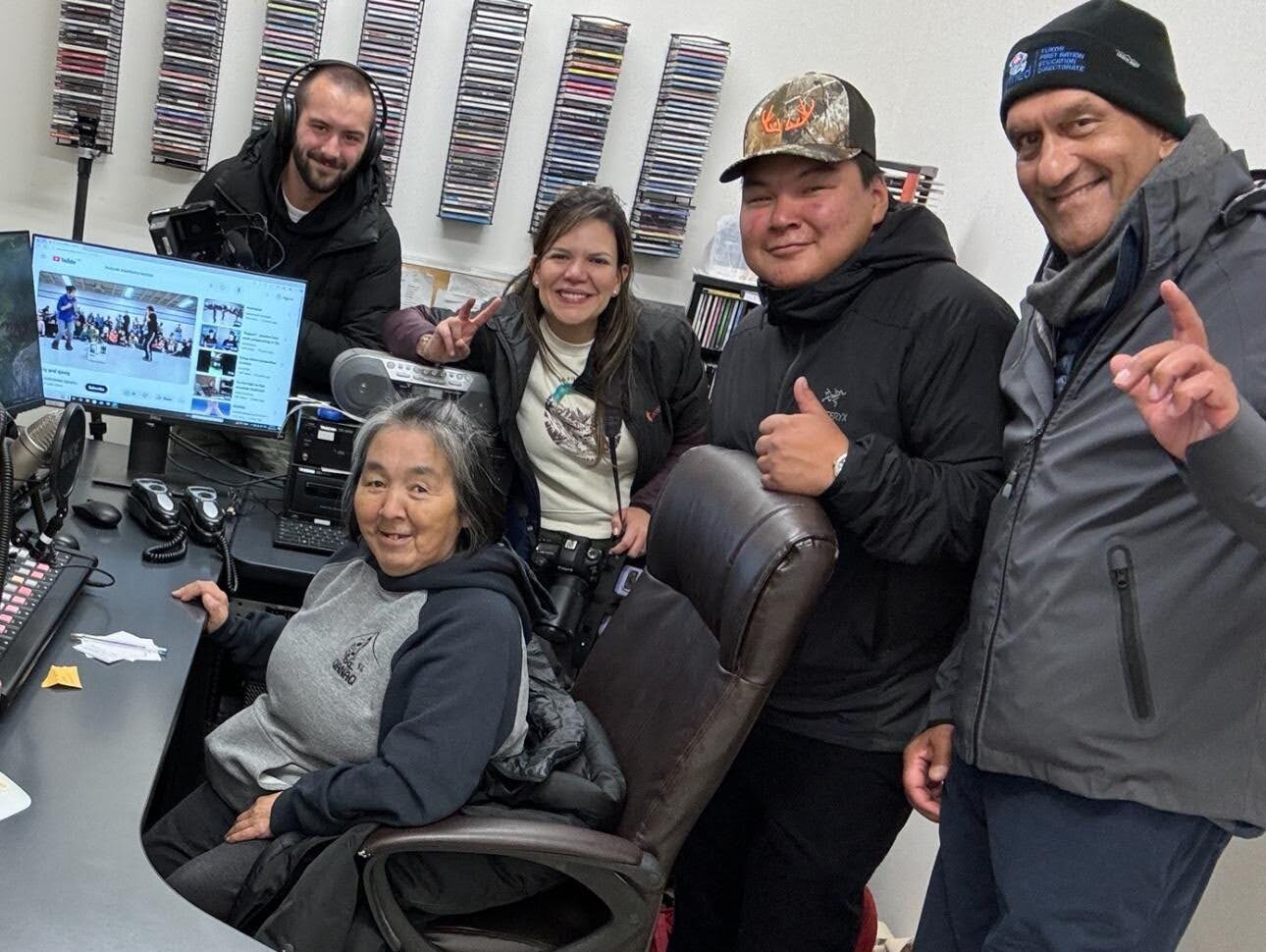
From left, Luca Caruso-Moro, Akinisie Nayoumealuk, Lina Forero, Joshua Nathan Kettler and Chris Henderson at Tuulliup Nipingat FM in Inukjuak.
Aphrodite Salas
This hub exists because of the Truth and Reconciliation Commission’s Call to Action 86, which calls on journalism schools to require education on Indigenous peoples, their histories, and the legacy of colonialism. The hub also challenges the extractive, harmful practices that have characterized media coverage of Indigenous communities for generations.
I am a Greek-Canadian journalist and professor, and that shapes how I approach this work. For generations, mainstream journalism has caused significant harm to Indigenous peoples by parachuting into communities, extracting stories, and perpetuating racist stereotypes. I am part of that profession and its legacy. This work has required me to unlearn much of what journalism trained me to do, and I approach it with humility and care. I ask the same of every student who works alongside me.
Through relationship, I have come to understand that good journalism in this context is not about telling stories. It is about sharing them with permission, care, and ongoing accountability to the people whose stories they are. As Nigerian poet and scholar Dr. Báyò Akómoláfé reminds us, “the times are urgent; let us slow down.”
We strive to move beyond storytelling toward sharing, in a spirit of reciprocity.
– Aphrodite Salas
Our approach
Virginie Ann
The work of this hub is grounded in constructive and solutions journalism. This means moving away from the conflict‑driven, problem‑centred framing of traditional news coverage and toward stories of resilience, leadership, and community‑driven solutions. It is guided by principles of engagement, inclusivity, and a commitment to relationship.
In practice, this means months or even years of preparation before any reporting trips: cultural competency training, reading, listening, and building relationships before picking up a camera. It means staying in touch with community members throughout the editing process, not only to check facts but to keep the relationship alive, and screening work in the community before it goes anywhere else. The story is never ours to tell. We are here to share it.
The hub is a wide‑reaching platform with many interconnected projects focused on sharing stories with permission and care. Each student who works with me undergoes rigorous preparation through study, reflection, discussion, and training, either directly from community members or, in the past, with Indigenous journalists through Journalists for Human Rights. Our research investigates how constructive, community‑engaged journalism can transform journalism education in response to TRC Call to Action 86.
The decolonial writings of Anishinaabe journalist and scholar Duncan McCue have been foundational to this work, notably his landmark online guide Reporting in Indigenous Communities and his textbook Decolonizing Journalism: A Guide to Reporting in Indigenous Communities. The scholarship of Candis Callison has also significantly shaped this work, including her writing on the importance of Indigenous perspectives and expertise in climate and environmental reporting.
Research themes
Indigenous clean energy sovereignty and the transition away from diesel‑dependent energy systems
Decolonizing journalism education and practice through constructive, solutions‑oriented, community‑engaged and field‑based experiential approaches
Ethical and reciprocal storytelling: listening, positionality, and trust‑building as journalistic practice
Climate justice and Indigenous leadership in defining just energy transitions
History of the project
2015
The Truth and Reconciliation Commission releases its 94 Calls to Action. Call to Action 86 challenges journalism schools to require education about Indigenous peoples, their histories, and the legacy of residential schools. It becomes the foundation for everything that follows.

2017
At the 2017 Banff Forum, a conversation with Indigenous Clean Energy mentor Darrell Brown opens the door to a new way of thinking about journalism. Brown introduces me to the remarkable work being done on clean energy in Indigenous communities. The journey begins.

Aphrodite Salas
2018
Initial visits to Kiashke Zaaging Anishinaabek–Gull Bay First Nation (KZA) in Northern Ontario. The first time there, I traveled with Darrell and he introduced me to community leaders to begin building a relationship. The second time, I brought a team of five undergraduate journalism students with me. Our goal was to learn how to report ethically in an Indigenous community. The experience was humbling. We found ourselves abandoning much of what we thought we knew about journalism, and learning a different way of working: slower, more relational, more accountable.

Aphrodite Salas
2019
In November, I spoke at the Banff Forum before an audience of approximately 250 senior policymakers and policy experts, sharing lessons learned from hundreds of hours of collaborative work with KZA. That same year, Chris Henderson, Founding Executive Director of Indigenous Clean Energy, introduced me to the community of Inukjuak in Nunavik, where an historic Inuit-led hydroelectric project was underway. The lessons of KZA travel north with us: patience, reciprocity, relationship before reporting. The Inukjuak project begins.

Aphrodite Salas
2020
An SSHRC Insight Development Grant and a Petro-Canada Young Innovator Award support Documenting Indigenous Clean Energy Initiatives Through Mobile Journalism: Employing Conciliatory Innovative Practices. The methodology, shaped through years of relationship-building with KZA and grounded in patience, reciprocity, and accountability, extends into a new partnership in Inukjuak, Nunavik. Our relationship with KZA endures.

Katelyn Thomas
2021
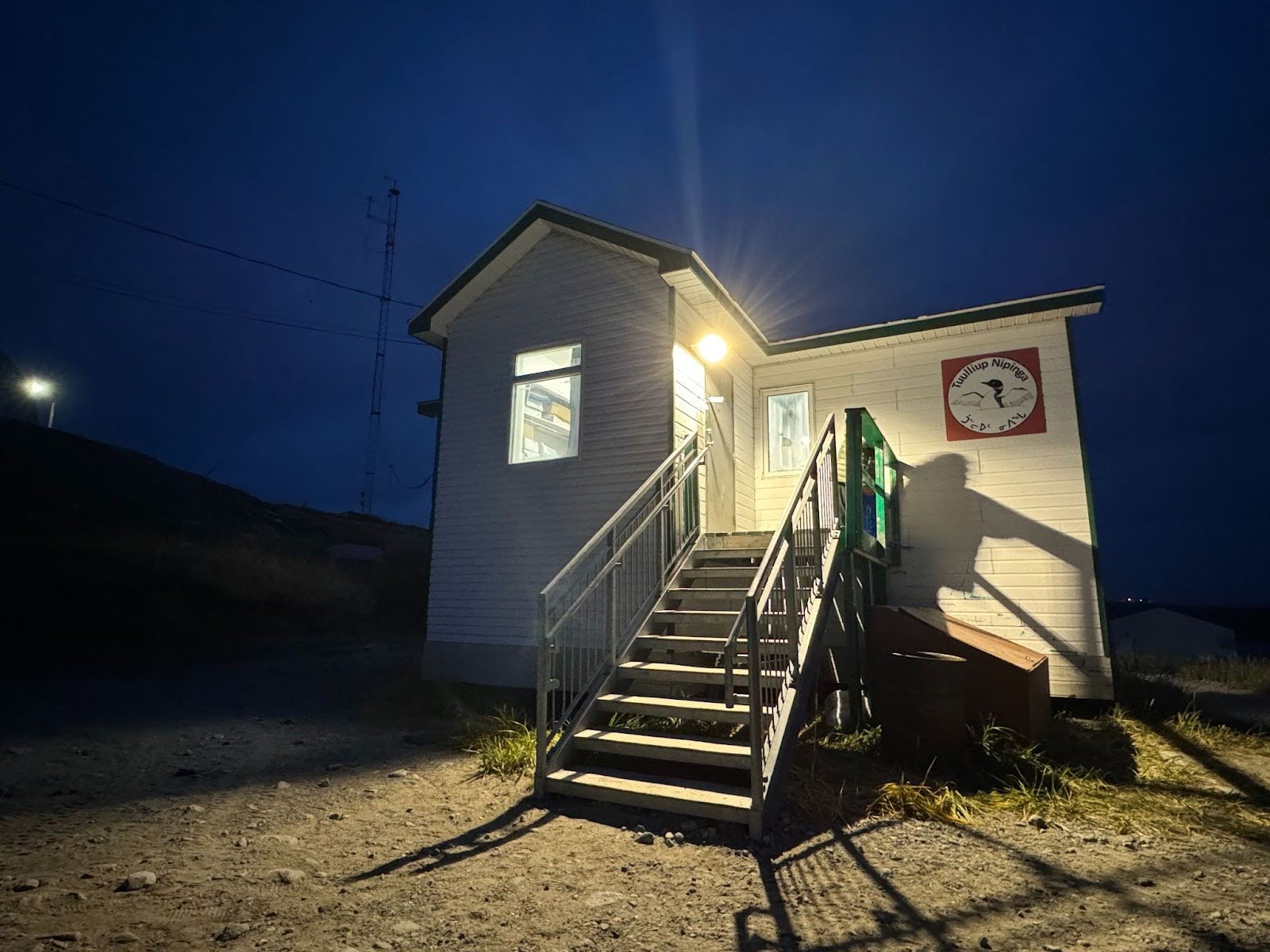
After two years of preparation, the Concordia team travels to Inukjuak for the first time. The groundwork has been laid through video calls, cultural competency training, and training with Globe and Mail journalist Willow Fiddler through Journalists for Human Rights. Eric Atagotaaluk of Pituvik has been instrumental in helping us understand the community context and history. On our first evening, we are invited onto a community radio call-in show to explain who we are and what we are doing there. The conversations with community members are open, and at times difficult. That evening lives in the practice that follows.
Aphrodite Salas
2022 (spring)
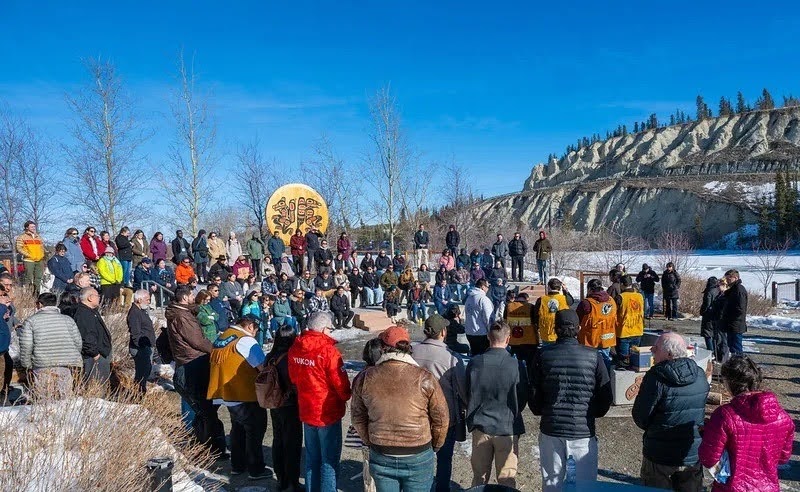
Invited to present alongside KZA Mashkawiziiwin Energy Projects Coordinator AJ Esquega at the Renewables in Remote Communities conference in Whitehorse, organized by the Pembina Institute, as part of a panel on UNDRIP and Indigenous rights for clean energy projects.
2022 (fall)
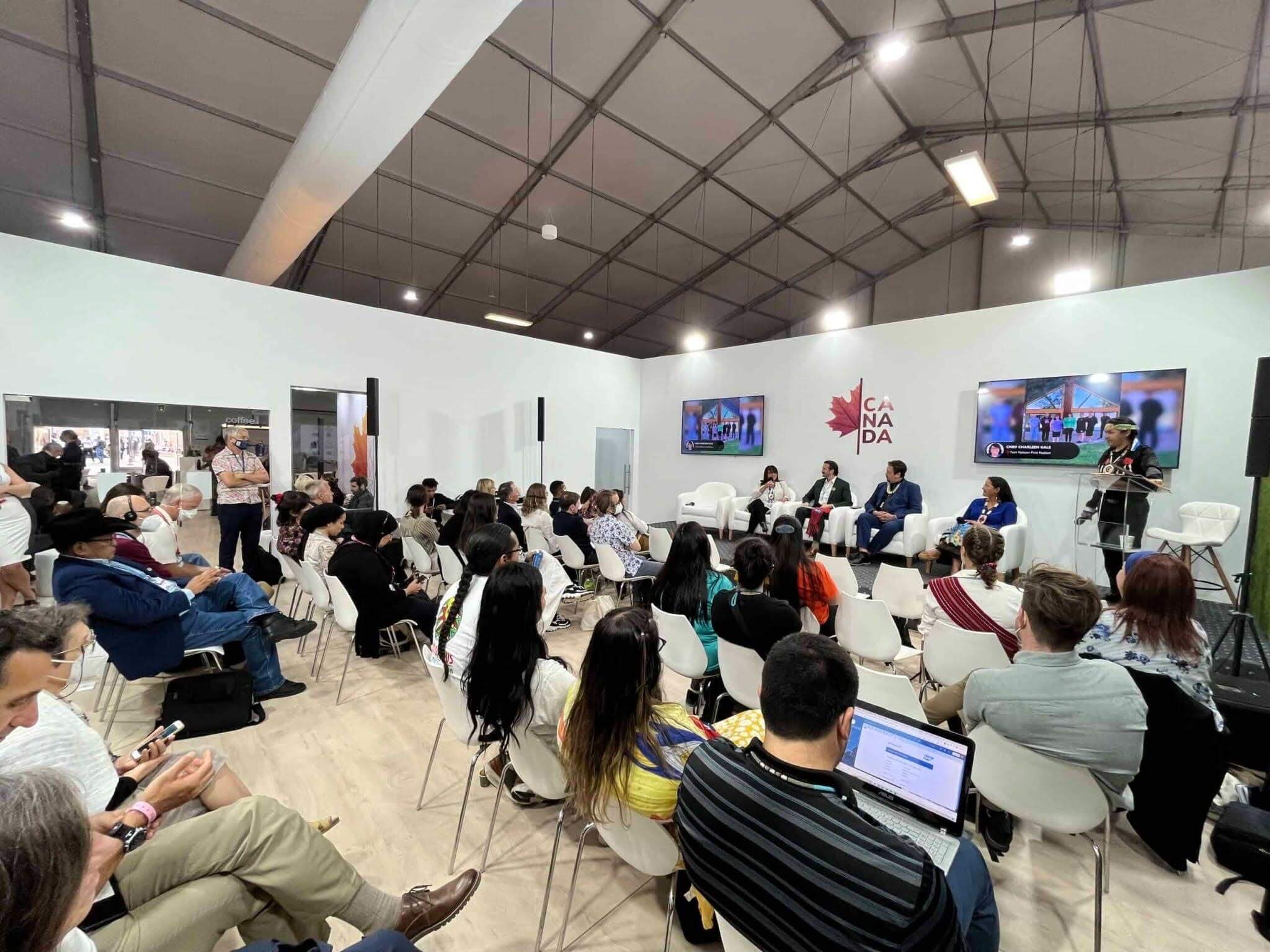
The two new documentaries, Innavik and Simeonie Nalukturuk: In His Own Words, world premiere on November 2 at Uquutaq High School in Inukjuak. The audience includes secondary students, school faculty and staff, and community members. Simeonie Nalukturuk: In His Own Words is created in honour of the community elder and former Mayor of Inukjuak who passed away during production. Both projects then publish on CTV News Montreal under a larger multimedia page called Arctic Shift to Clean Energy. Later that month, Innavik screens at COP27, the UN Climate Change Conference in Sharm El-Sheikh, Egypt. In December, Innavik screens at the Canada Pavilion at COP15, the UN Biodiversity Conference in Montreal, alongside Inuit partners, Chris Henderson, two students, and myself.
COP27, the UN Climate Change Conference in Sharm El-Sheikh, Egypt
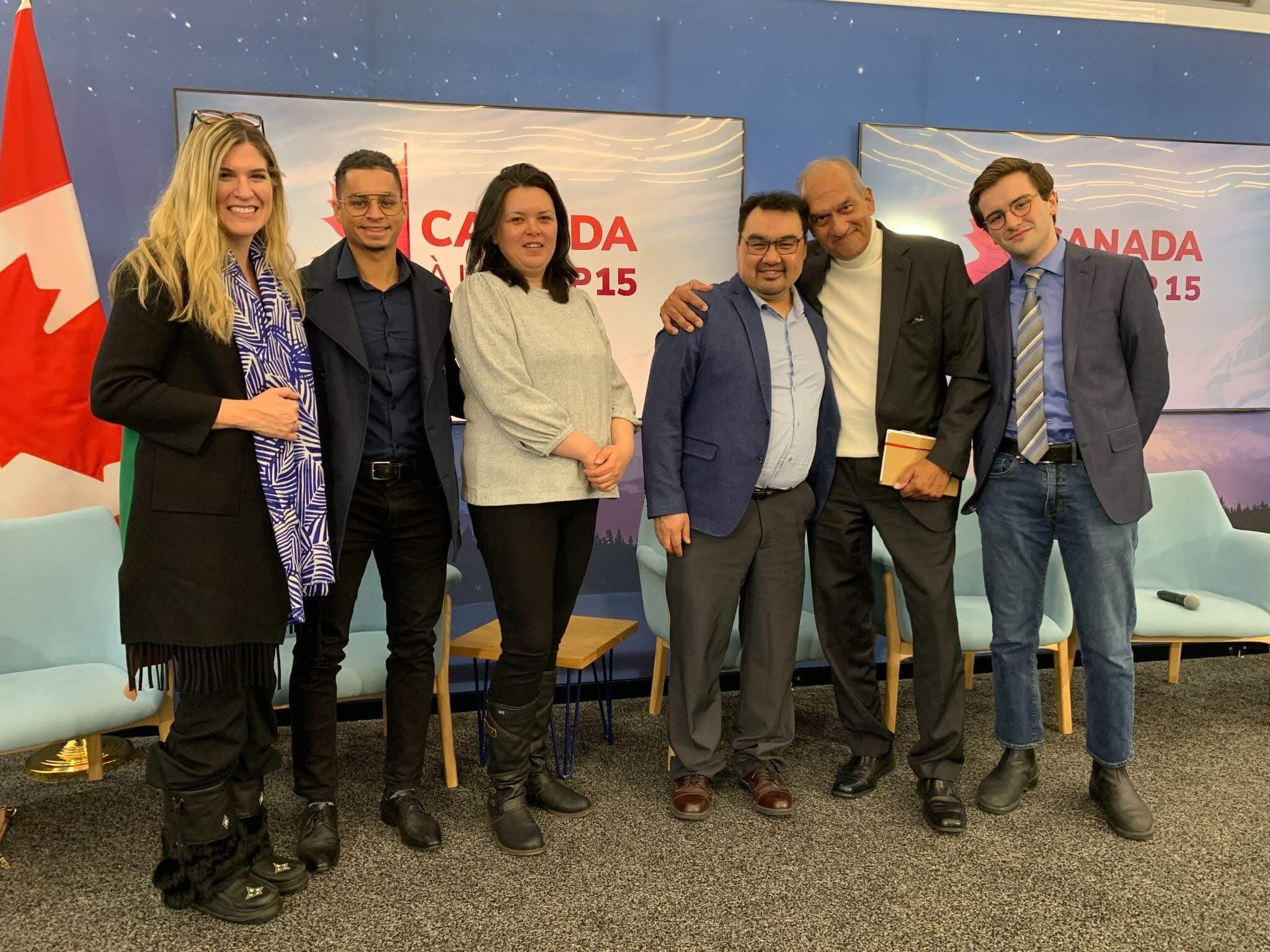
COP15, the UN Biodiversity Conference in Montreal
Lauren Small
2023
The Inukjuak projects win five major awards. Arctic Shift to Clean Energy receives the RTDNA Excellence in Enterprise Journalism national award and the RTDNA Central Region award. Innavik wins the Broadcast Education Association Award of Excellence in the international short-form documentary category, along with honourable mentions at the Digital Publishing Awards for Best Online Video: Mini-Doc and for Best Photo of Native America in the National Native Media Award Competition.

Sarah Lisa Kasudluak
2024
Production begins on ᑰᒃ ᑰᑦᑐᖅ The Flowing River, a new documentary on the Innuksuak River hydroelectric project. The 7.5-megawatt Inuit-owned facility is the largest off-grid hydropower project in the land known as Canada. Once fully operational, the per capita greenhouse gas reductions in Inukjuak will exceed what any community has ever achieved.

Aphrodite Salas
2025
ᑰᒃ ᑰᑦᑐᖅ The Flowing River world premiere is held in Inukjuak. The relationships built through journalism continue to open new doors: connections with Inukjuak community members contribute to a new Volt-Age Impact Project on electrified transportation in Indigenous communities.
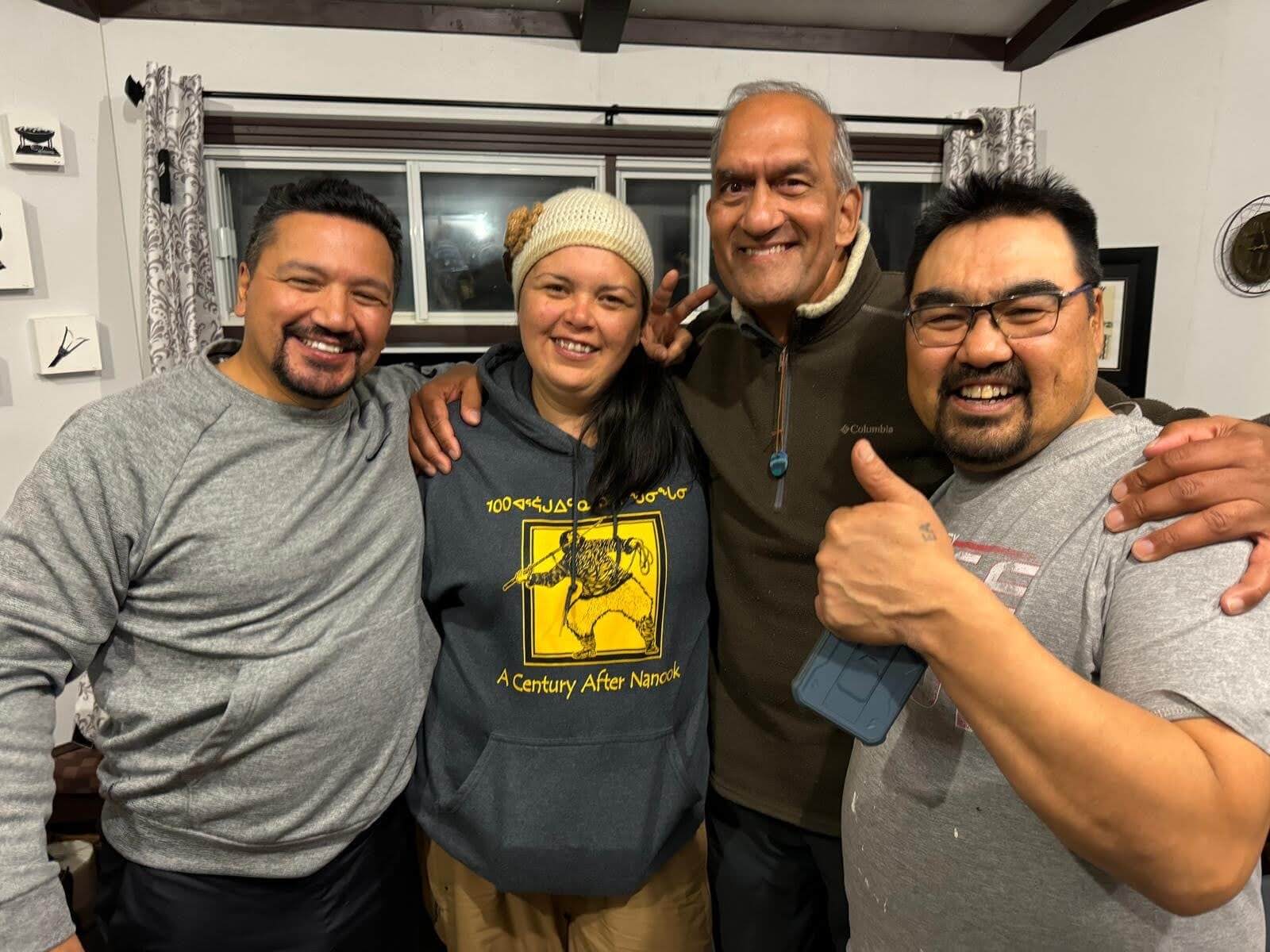
Photo credit
2026
Launch of the Climate Leadership Story Hub: a living, growing platform for stories of Indigenous clean energy leadership and constructive journalism in practice. The work continues.
Caroline Oweetaluktuk
Copyright
Unless otherwise noted, all content on this site is licensed under a Creative Commons Attribution-Noncommercial 4.0 International License.
That means you are free to share and/or adapt the material providing:
- you are not using it for commercial purposes, and
- you give appropriate credit, preferably with a link back to the original content, and you indicate if changes were made.
Please do reach out to share how you might be using this content, we’d love to hear from you!
Contact Us

