The people behind the work
This project is made possible by a network of collaborators, students, and community partners working together with care and shared purpose.
Aphrodite Salas

Meet the Team
If you’d like to connect with someone involved in this work, we welcome you to reach out.

Aphrodite Salas
Founder & Director, Climate Leadership Story Hub
Aphrodite Salas is an Associate Professor of Journalism at Concordia University and founder and director of the Climate Leadership Story Hub. She is also part of the leadership team of Volt-Age, a $123 million national research initiative driving Canada’s electrification transition.
Aphrodite leads collaborative partnerships with Indigenous communities that focus on clean energy transitions and community-defined climate solutions. Through the hub, she works with students, researchers, and partners on projects grounded in listening, reciprocity, and long-term relationship building. Her research focuses on constructive journalism, climate communication, and the role of media and education in advancing reconciliation.
Before entering academia, Aphrodite spent more than two decades in broadcast journalism as a video journalist, national correspondent, and anchor with CTV, Global, and CityTV. She reported from Parliament Hill, produced documentaries from sub-Saharan Africa to the Arctic, earned six RTDNA awards, and spent two months crossing the Pacific Ocean on a Japanese government vessel.
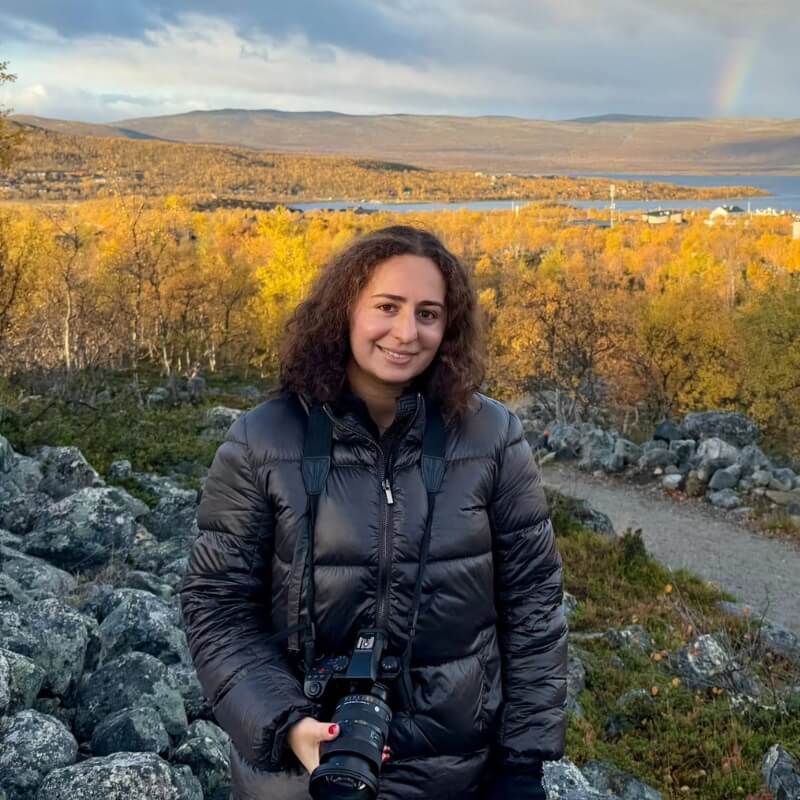
Lauren Beauchamp
Associate Director, Climate Leadership Story Hub
Lauren Beauchamp is a freelance journalist and editor covering international development, climate and global health. Over the past six years, she has worked across major European capitals in cross-border and multilingual contexts, producing feature stories, multimedia projects and podcasts. Originally from Montreal, she is fluent in English and French and has working knowledge of Danish. Her editorial experience spans local and national newsrooms, think tanks and communications agencies in Canada and Europe.
Lauren holds a bachelor’s degree in Radio and Television Arts with a specialization in Media Production from Toronto Metropolitan University and a master’s degree in Investigative Reporting from Birkbeck, University of London.

Eric Atagotaaluk
Eric Atagotaaluk was born in Iqaluit, Nunavut, and has called Inukjuak, Nunavik home since 1982. First elected to the Board of the Pituvik Landholding Corporation in 1997 and appointed President in 2002, he has long championed economic development as a cornerstone of Inukjuak’s future.
Recognizing the community’s dependence on diesel and the urgent need for climate action, Eric spearheaded the Innavik Hydro Project in 2008 — a community-driven initiative to create sustainable development opportunities and reduce greenhouse gas emissions. Since 2019, he has served as Director of Pituvik Sarvaq Energie, co-created to own and operate the project.
Off the clock, Eric is singer and drummer for Qimutjuit, an Inukjuak band formed in 1990 that performs entirely in Inuktitut — and whose self-titled album took home Album of the Year in Indigenous Languages at the 2025 Gala de l’ADISQ.
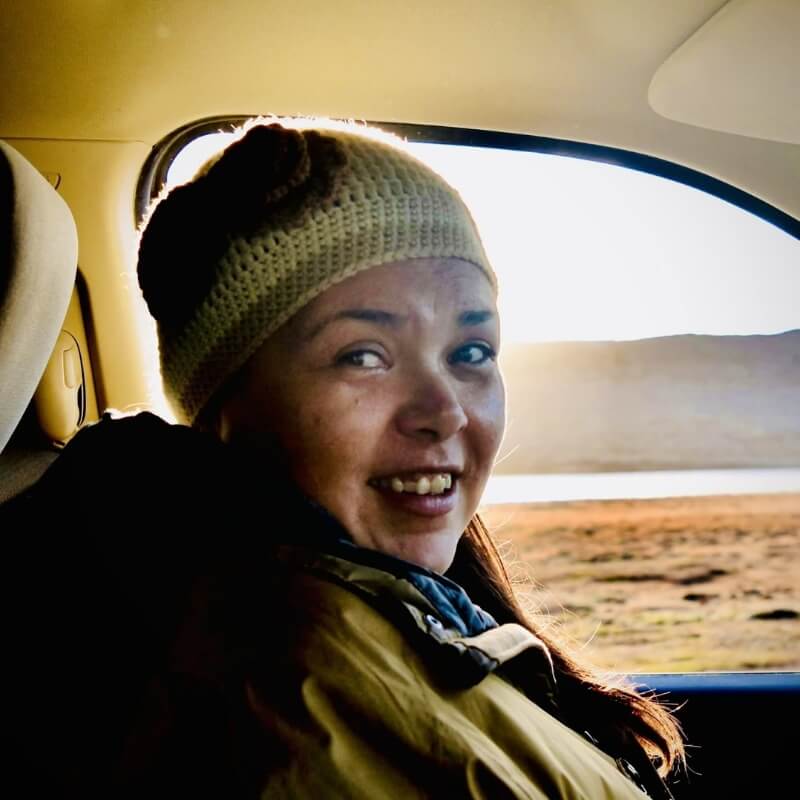
Sarah Lisa Kasudluak
Sarah Lisa Kasudluak made history as the first female president of the Pituvik Landholding Corporation and now serves as the organization’s first female Vice President. Under her leadership, Pituvik achieved a landmark partnership with Innergex Renewable Energy to develop the Innavik hydroelectric project—a $127-million facility that replaced diesel generators in Inukjuak with clean energy from the Inukjuak River. This marked the first-ever collaboration between an Inuit-owned corporation and an independent power producer.
Kasudluak’s leadership reflects her commitment to honoring Inuit heritage while embracing contemporary opportunities for growth. She champions initiatives that bring together traditional knowledge and innovative approaches to community wellness and economic development. Among her key priorities is establishing a Healing Center rooted in traditional values—a vision born from her determination to address intergenerational trauma and revitalize cultural identity.
Through her work with Pituvik, Kasudluak demonstrates how respect for the past can create pathways toward a sustainable, culturally grounded future. Her dedication to preserving Inuit traditions while fostering community development has made her an influential voice in northern Indigenous governance and cultural revitalization.
“There is a great need for healing, and this is my dream to see a Healing center based on traditional values. This will create an opportunity for our community to heal the wounds that hasn’t had the time to heal. We are moving away from being colonized and each step to claim our beauty in our culture is going to be a great success for our people. We are here to stay and will flourish with the modern times using different set of tools.”
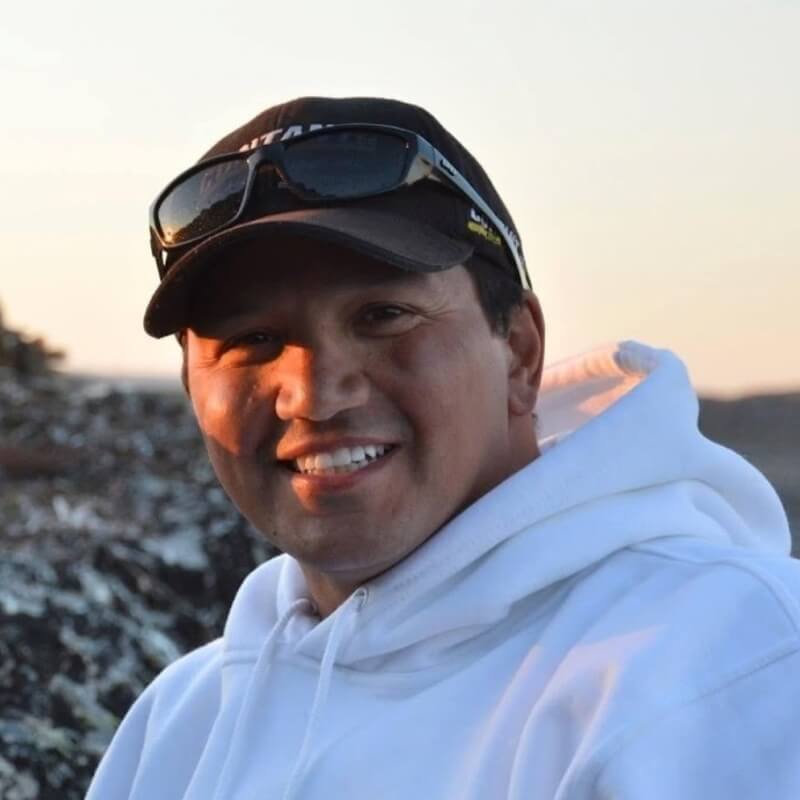
Tommy Palliser
Tommy Palliser is a proud Inuk leader from Inukjuak, Nunavik, and President of the Pituvik Landholding Corporation since 2023. He is currently leading the community’s transition to electric and hybrid vehicles, driving Inukjuak toward a bold vision of net-zero emissions by 2030.
Tommy holds a Social Sciences Diploma from John Abbott College (1999) and a Bachelor of Commerce from Concordia University (2003), and built his foundation in Economic Development with the Kativik Regional Government, supporting communities and entrepreneurs across Nunavik. He is a co-founder of the Unaaq Men’s Association of Inukjuak, dedicated to preserving traditional Inuit skills among youth by connecting them with elders and experienced hunters.
As Executive Director of the Nunavik Marine Region Wildlife Board, Tommy oversees marine wildlife stewardship under the Nunavik Inuit Land Claims Agreement — bringing the same community-first values to every role he holds.

Chris Henderson
Chris Henderson is one of the country’s foremost energy transition commentators integrating clean energy, Cleantech, climate change, and sustainable prosperity for over four decades. He has been principal advisor to Indigenous communities helping them become co-owners of renewable energy assets across the country founding the national hub, Indigenous Clean Energy (ICE). His first book Aboriginal Power was published in 2013. He recently launched Transformative Energy with core features including energy future commentaries and authoring a trilogy of books presenting ground-breaking energy transition ideas and insights to catalyze national and global dialogue.
“Indigenous Clean Energy (ICE) is honoured to work hand in hand with Concordia University’s Journalism Program to share First Nations, Métis and Inuit clean energy stories interactively with a Canadian and global audience. Inclusion and understanding of Indigenous world views, to realize a climate and energy positive future is essential.”
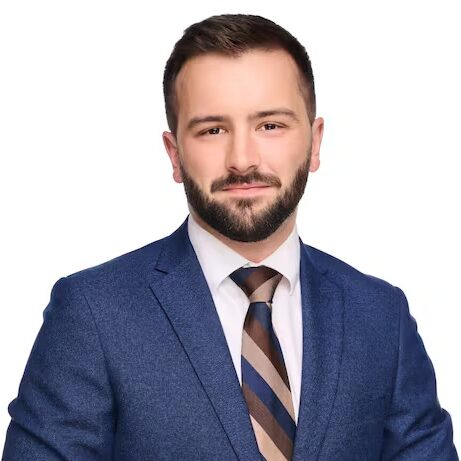
Luca Caruso-Moro
Luca Caruso-Moro joined the CTV News national team as a Breaking Digital Assignment Editor in December 2023. He specializes in covering crime, extreme weather events, and government policy updates. Before moving to CTV News’ assignment desk, Luca worked as a daily news reporter for CTV News Montreal, filing reports for both television and digital, and frequently appearing on affiliated radio station CJAD 800. During his time in Montreal, he covered staffing shortages within Quebec’s health-care system, crime and justice, municipal and provincial affairs, the housing crisis, Crown-Indigenous relations and labour issues. He has also contributed to three multimedia documentary projects covering clean energy projects in off-grid Indigenous communities in Quebec and Ontario. His work on those projects garnered regional and national RTDNA awards. Luca’s other documentary work has been recognized at major entertainment festivals Canada and the U.S., including TIFF and the Nashville Film Festival. Luca studied journalism at Concordia University in Montreal, where he got his start in reporting at campus radio station CJLO 1690AM. Before joining CTV News, he was a radio anchor and reporter at K103.7, serving listeners in Kahnawake, a Mohawk community on the south shore of the St. Lawrence River. He speaks English and French.

Lina Forero
Lina Forero holds a Bachelor of Arts in Communication Studies and Journalism from Pontificia Universidad Javeriana in Colombia and is currently a master’s candidate at Concordia University. She serves as the Senior Communications Manager at Indigenous Clean Energy, where she leads storytelling and strategic communications efforts. Prior to this role, Lina gained experience in television production, print and digital media and community radio. In 2019, she was awarded the CBC Joan Donaldson Scholarship. Lina is passionate about promoting Indigenous-led climate solutions and clean energy initiatives.

Amy Luft
Amy Luft is Supervising Producer, Digital Content at CTV News Montreal, leading a team of digital journalists in breaking news, features and investigative storytelling. Before joining CTV in 2010, she held roles at The Montreal Gazette, Reader’s Digest and The Associated Press.
Amy has built a track record in collaborative, multimedia journalism through an ongoing partnership with Concordia University’s journalism department. Her work on Arctic Shift to Clean Energy won a national RTDNA award for Enterprise Journalism in 2023, and her latest collaboration, the website and interactive storytelling project for ᑰᒃ ᑰᑦᑐᖅ The Flowing River, continues that work.
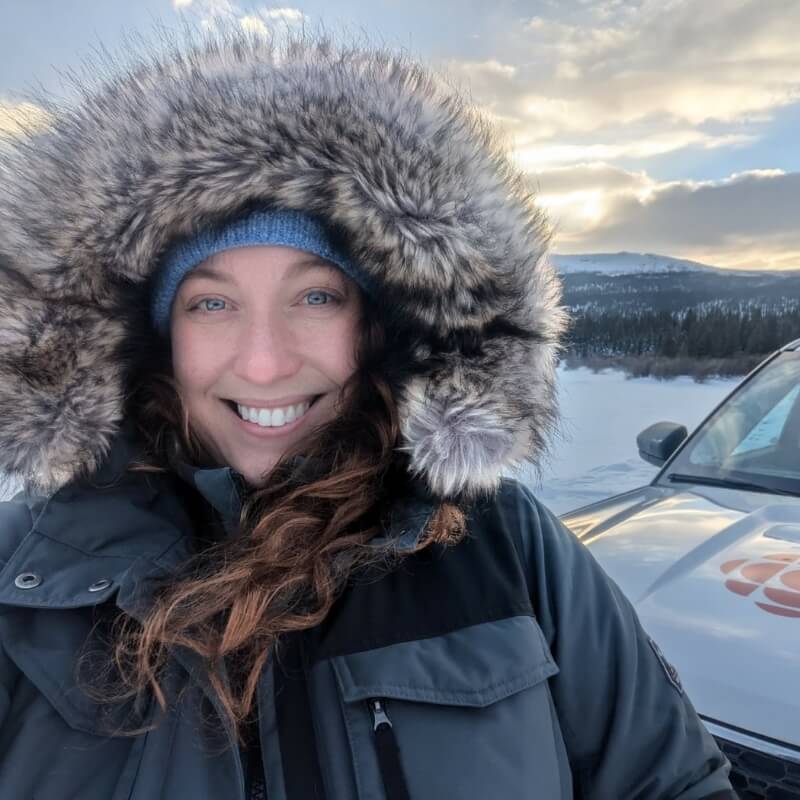
Virginie Ann
Virginie Ann is an award-winning journalist at CBC Yukon in Whitehorse, where her investigative work sheds light on pressing Northern issues. Her reporting includes a year-long investigation into sexual assault allegations in Ross River, coverage of the coroner’s inquest into the deaths of four Indigenous women at the Whitehorse Emergency Shelter, and a solo-produced six-part documentary series exploring addiction and recovery across the territory. At Concordia, she was an integral part of constructive climate reporting in KZA-Gull Bay First Nation and in Inukjuak, Nunavik, recognized nationally by the Radio Television Digital News Association (RTDNA) for excellence in multimedia and digital reporting. Since graduation, her work has earned recognition from the Quebec Community Newspaper Association, the Canadian Association of Journalists and the RTDNA for Excellence in Sports Reporting and Enterprise Journalism. Before moving to Whitehorse in 2022, Virginie reported for The Canadian Press in Montreal and The Eastern Door, an Indigenous-led newspaper in Kanesatake.
“Inukjuak and the people who live there taught me so much about respecting the land. Nunavik has a climate that can be described as harsh, powerful and beautiful. Being there, and listening to heart-wrenching testimonies about the past as well as witnessing leadership and resilience in action – taught me things I could never have learned from books or in a classroom. I will forever be grateful to the community of Inukjuak for each one of these lessons.”

Katelyn Thomas
Katelyn Thomas is a news reporter at the Montreal Gazette, where she has worked since early 2021. Katelyn began her career the same week COVID-19 was declared a pandemic, immediately immersing herself in coverage that spanned daily updates, government guidelines, the coroner’s inquest into long-term care home deaths, and stories of vulnerable Quebecers feeling abandoned.
Before joining the Gazette, Thomas served as editor-in-chief of The Concordian, interned at CJAD 800, and worked as a digital reporter at CTV Montreal. At Concordia, she contributed to two award-winning projects: “Tainted H2O,” an investigation into lead contamination in Quebec drinking water, and to research-creation work with Kiashke Zaaging Anishinaabek-Gull Bay First Nation. Thomas specializes in social issues and human-interest stories that center marginalized voices and hold power accountable.

Kaaria Quash
Kaaria Quash is a videographer whose work focuses on climate change science, sports, wildlife, and Indigenous issues. He currently serves as the Media & Communications Coordinator for VDMSL Inc. Raised in Trinidad & Tobago and France, he holds a Master’s degree in Journalism from Concordia University and is currently based in Montreal, Quebec. His body of work includes documentaries produced in collaboration with CTV and CBC, as well as his independent film “Caught in the Net”, a documentary examining sea turtle poaching in the Caribbean. The film was selected and screened at international film festivals in Trinidad & Tobago, Montreal, Vancouver, and the UK.
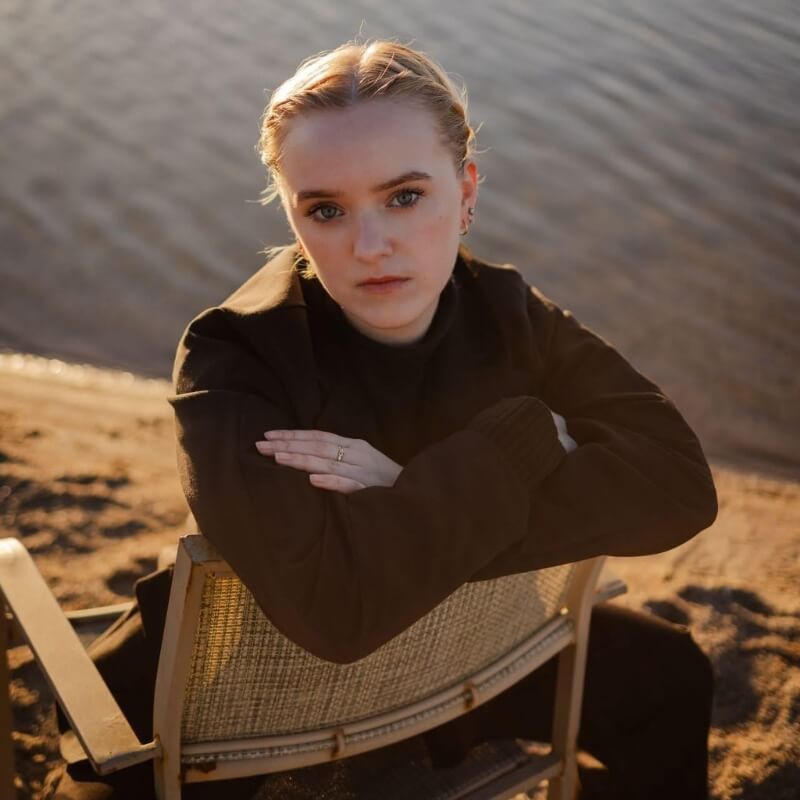
Anasophie Vallée
Anasophie Vallée (Settler, she/her) is a journalist currently pursuing a Master’s in Digital Innovation in Journalism at Concordia University. She has contributed to The Independent, The Telegram, The Dance Current and The Muse, covering a range of topics, including arts and culture, Indigenous and rural issues, and environment and climate change.
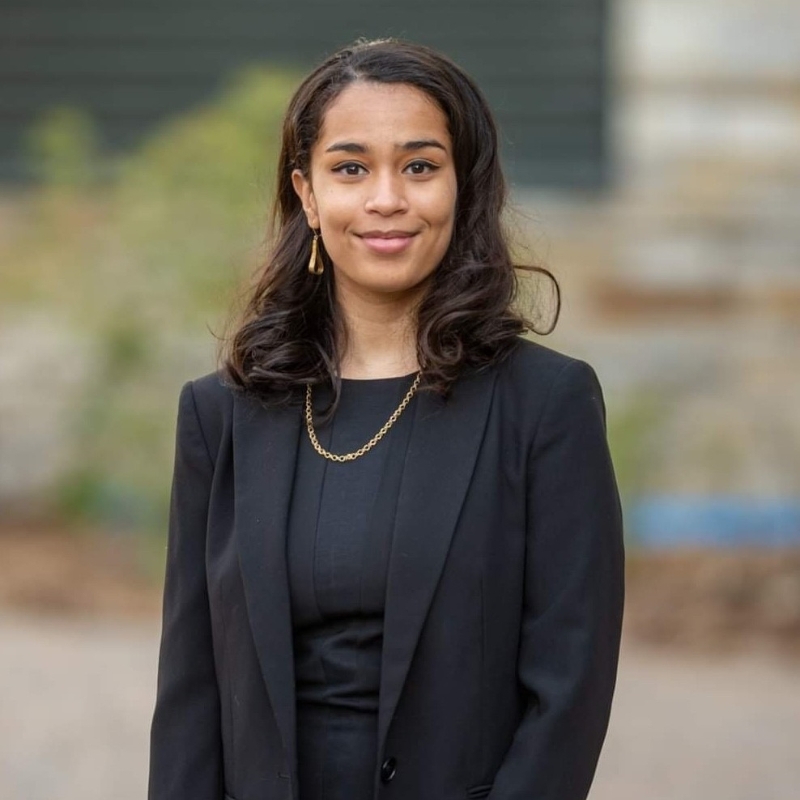
Marissa Ramnanan
Marissa Ramnanan is a Montreal-based content producer at CJAD 800 AM Radio, and a freelance reporter and editor for the Montreal Community Contact. Born and raised in Montreal, she is fluent in English and French.
Marissa holds a bachelor’s degree in Journalism and Law and Society from Concordia University. While there, she contributed to research-creation work with Kiashke Zaaging Anishinaabek-Gull Bay First Nation and worked as a student researcher with the Institute for Investigative Journalism on Tainted H2O, an award-winning national investigation into lead in Canada’s drinking water.
During the COVID-19 pandemic, Marissa worked with the Centre for Research Action on Race Relations on a project addressing anti-Asian hate and disinformation in Montreal. She remains dedicated to the fight against disinformation through rigorous, accurate and transparent reporting.
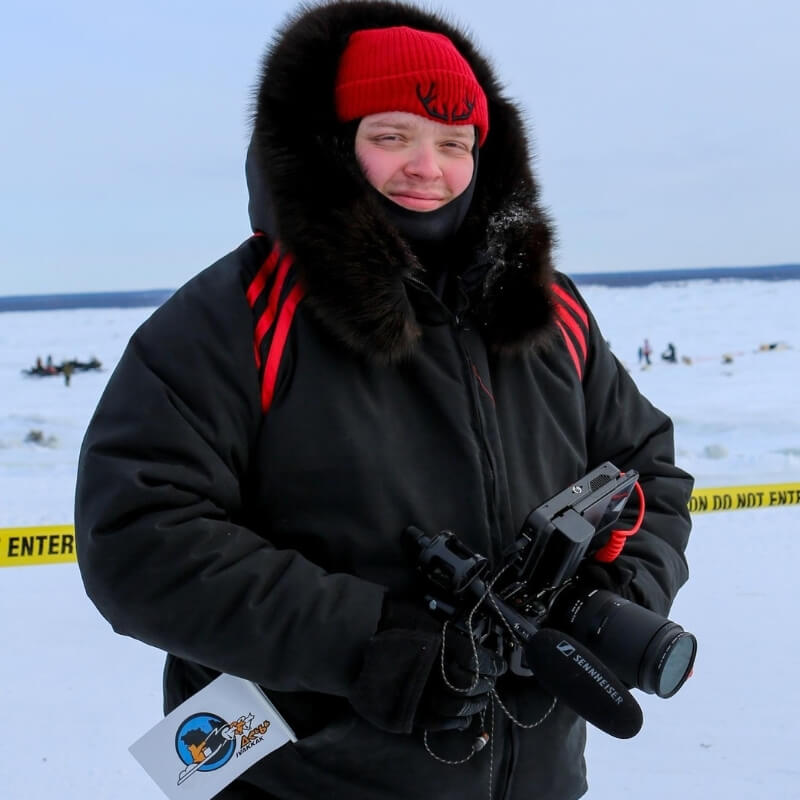
Cedric Gallant
Cedric Gallant is an award-winning reporter, photographer, and documentarist with a focus on Nunavik and its Inuit communities. He lived and worked in Kuujjuaq for three years with the local newspaper Nunatsiaq News before starting his Master’s degree in Journalism, focusing on the development of journalists in remote communities. His documentary channel, Geospective, now boasts three documentaries on the history and realities of Nunavik. What matters most to him is to see more positive stories come from Nunavik, a region oftentimes misrepresented in the media.

Hayley Carolan
Hayley Carolan grew up on Vancouver Island and lives in Montreal. She earned a science degree from the University of British Columbia before pursuing a master’s in journalism at Concordia University. She was awarded the 2025 CBC News summer scholarship for emerging journalists. She loves stories and thinks they are the best way to learn about the world.

Pierre-Alexandre Carrier
Pierre‑Alexandre Carrier is a Canadian diplomat currently serving as Trade Commissioner at the Embassy of Canada to Türkiye.
While completing a Graduate Diploma in Visual Journalism at Concordia University in 2019, he contributed to research-creation work with Kiashke Zaaging Anishinaabek-Gull Bay First Nation. He holds a Bachelor’s degree in International Relations and Public Affairs from Laval University (2015–2018) and a Master of Laws (LL.M) in International Law and Politics from the University of Sherbrooke (2020–2021).
Pierre-Alexandre is fluent in French, English, and Spanish, with conversational Turkish skills. Beyond diplomacy, he is active in music as a guitarist, producer, and DJ.

Terri Lynn Morrison
Chief Program Officer, Luminary
Terri Lynn Morrison is a proud Mi’gmaq woman from Listuguj, Quebec, walking in two worlds to build strong relationships between Indigenous communities, industry, and government. As the Chief Program Officer, Terri Lynn is responsible for the development and successful implementation of innovative programs and partnerships to grow knowledge assets.
Terri Lynn has spent over two decades advancing Indigenous-led solutions in clean energy, economic development, and reconciliation. She was a driving force behind the 150 MW Mesgi’g Ugju’s’n Wind Farm, a landmark project that proved what is possible when Indigenous leadership is at the heart of decision-making. Her contributions earned her the Excellence in Human Resource Management award, and she continues to champion economic sovereignty for Indigenous Nations.
A mentor at heart, she has supported over 120 emerging leaders through Indigenous Clean Energy (ICE), ensuring that the next generation is equipped to carry this work forward. She is also recognized as one of #WOMENLEADINGCLEANTECH, honouring her impact on sustainability and innovation.
Currently pursuing an MBA in Community Economic Development at Cape Breton University, Terri Lynn continues to build bridges, create space for Indigenous leadership, and ensure that research and innovation reflect the strength, resilience, and knowledge of Indigenous Peoples.

Willow Fiddler
Willow Fiddler is Anishiniinew (Oji-Cree) from Sandy Lake First Nation, a Treaty No. 5 community near the Manitoba border. She started in 2016 as a VJ for APTN National News in Thunder Bay, and is now with The Globe and Mail.
Willow worked with the Inukjuak team before travel to Nunavik, by offering specialized Indigenous Reporting training, through her involvement with Journalists for Human Rights. She notes, “JHR’s Indigenous Reporting program has been an important stepping stone in my journey to journalism by first offering training opportunities as an emerging journalist, and now as a trainer working with newsrooms and journalism students.”
“Journalism in Canadian mainstream media is changing and evolving to meet the needs of all communities, particularly those typically and historically underrepresented or stereotyped. Indigenous perspectives and experiences are essential to understanding how best to serve those and other racialized communities.”
Acknowledgements
None of this work would exist without the generosity, patience, and trust of the community members who welcomed us, taught us, and gave us permission to share their stories.
In Inukjuak: Eric Atagotaaluk, Tommy Palliser, Sarah-Lisa Kasudluak, Johnny Mina, Johnny Kasudluak, Josie Nastapoka, Aleashia Echalook, Pauloosie Kasudluak, Richard Moorhouse, Aalacie Nalukturuk, and the late Simeonie Nalukturuk, whose final words as Mayor of Inukjuak remain with us always.
In Kiashke Zaaging Anishinaabek-Gull Bay First Nation: Chief Wilfred King, AJ Esquega, Grace Esquega, Kevin King, Stanley King, and the elders and community members who gave us their time and trust.
Nakurmiik. Miigwech.
The students who have worked alongside me brought their whole hearts to this work. Among them: Luca Caruso-Moro, Virginie Ann, Katelyn Thomas, Lauren Beauchamp, Lina Forero, Kaaria Quash, Anasophie Vallee, Pierre-Alexandre Carrier, Marissa Ramnanan, Cedric Gallant and Hayley Carolan. More than 60 students applied to be part of the first Inukjuak team alone. The belief these students have in the work sustains it.
This research began with a conversation at the 2017 Banff Forum. Following a talk by Perry Bellegarde, then National Chief of the Assembly of First Nations, fellow Banffer Darrell Brown introduced me to the community of Kiashke Zaaging Anishinaabek-Gull Bay First Nation. That conversation became the foundation of a partnership between community members and journalism students. It also connected us with Chris Henderson of Transformative Energy and Indigenous Clean Energy, who generously shared his knowledge and perspective on clean energy and became a trusted partner and supporter.
This work has been shaped by many generous people and organizations, all committed to principles of truth and reconciliation.
Duncan McCue’s scholarship on decolonizing journalism education guides this project. Rachel Pulfer, Jordan MacInnis and Sarah Ladik at Journalists for Human Rights, along with Willow Fiddler from the Globe and Mail, helped define the way we approach ethical reporting, and their work continues to inform this hub. Amy Luft, Chris Bury, Tania Krywiak, Jed Kahane and the team at CTV Montreal were open and engaged partners from the start, bringing the reach of a major media organization to this collaboration.
At Concordia, colleagues both within my department and across the wider university, including at the Office of Indigenous Directions, have strengthened this work. I am particularly grateful to department chairs Andrea Hunter and David Secko for their encouragement and guidance.
This research has also been supported by Volt-Age, the Social Sciences and Humanities Research Council of Canada, the Petro-Canada Young Innovator Award at Concordia University, the Department of Journalism and the Faculty of Arts and Science at Concordia University, Air Inuit, and private donors. I am especially grateful to Volt-Age Chief Executive Officer Karim Zaghib for a vision that redefines what research can look like, and to Victor Jacquet, Nicole Macoretta, Jennifer Garard, Carolina Mancini, Alison Bowie and the rest of the Volt-Age team for bringing that vision to life.


